

Sliding Doors Advice
How Long Do Sliding Doors Last? A Guide for Homeowners
Sliding doors are an ideal door choice for those seeking large glass panels for lots of natural light to flood into their homes and have an accessible connection for their indoor and outdoor spaces. But as the saying goes, nothing lasts forever, and it’s important to understand the average lifespan of sliding doors and how to increase it.
Green Doors is here to detail how long sliding doors last and how factors such as usage, maintenance and the door materials can affect the lifecycle. This can help you gain the most valuable return on investment and keep your sliding doors working for decades.
What Are Sliding Doors?
Sliding doors are doors that open by sliding horizontally along a track instead of swinging inward or outward. They are commonly used for patios, balconies, closets and room dividers because they save space and allow large glass panels for natural light and outdoor views.
What Is the Average Lifespan of Sliding Doors?
On average, modern internal and external sliding doors can last anywhere between 15 to 30 years. The lifecycle of sliding doors is increased through maintenance, the quality of installation and the type of materials it’s manufactured from.
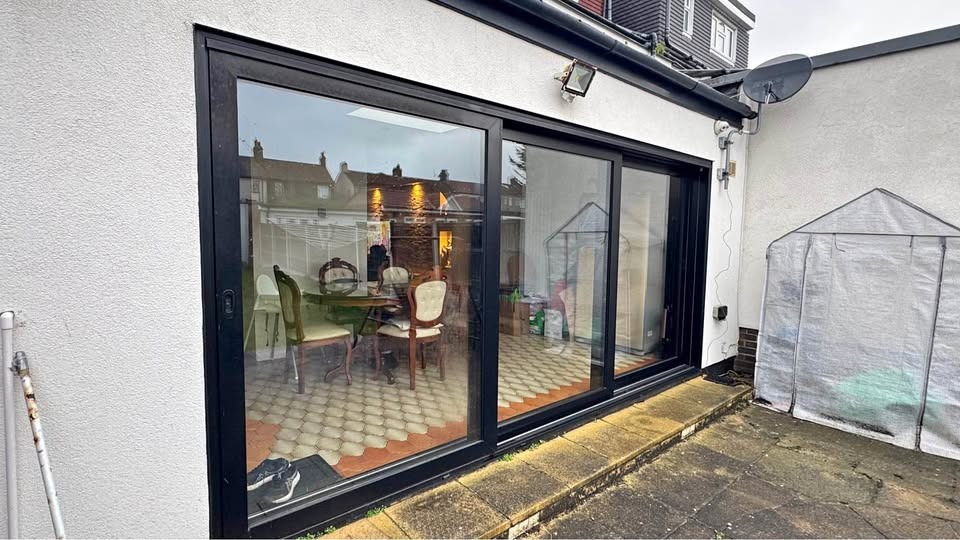
Signs Your Sliding Doors May Need Replacing
There can be some very obvious signs your sliding doors may need replacing, as well as some not so obvious signs.
Clear signs your sliding doors need replacing include:
- The doors are sticking or are difficult to open and close
- Cracks and visible frame damage due to poor maintenance or weather damage
- The door no longer locks properly without force or adjustment
- Water leaks inside during rain
- Visible gaps or drafts around the frame
- Condensation or fog trapped between glass panes
- The door can be lifted easily from the track
Less obvious signs your sliding doors may need replacing include:
- Increased outside noise coming through the closed doors
- The frame feels unusually cold compared with nearby walls and windows
- Recurring mould or damp around the bottom track
- The glass looks slightly cloudy or milky over time
- Energy bills gradually increase due to poorer insulation
- You’re repeatedly repairing rollers, locks or seals
- The door alignment slowly worsens over months rather than suddenly failing
Factors That Affect How Long Sliding Doors Last
Quality of Materials & Manufacturing
Higher-quality materials like aluminium and wood are the top choice for sliding door frames, as they tend to last longer than uPVC alternatives. However, the material won’t matter if the manufacturer cuts corners. Quality standards lead to stronger, longer-lasting sliding doors.
Installation Quality
Proper installation is just as important as the quality of the door itself. Poorly fitted sliding doors can become misaligned, difficult to open and more vulnerable to drafts or leaks over time.
Professional installation helps ensure the frame, tracks, rollers and seals work correctly, reducing unnecessary strain and extending the door’s lifespan.
At Green Doors, we always recommend you organise professional installation for sliding doors or other home features when you shop from our product range.
Exposure to Weather & Moisture
Constant exposure to rain, humidity, strong sunlight and changing temperatures can gradually wear down sliding doors.
Moisture may damage seals and encourage corrosion on metal components, while temperature fluctuations can cause frames to expand and contract. Homes in coastal areas may also experience faster wear due to salty air.
Frequency of Use
Sliding doors used multiple times every day naturally experience more wear and tear than those opened occasionally.
Frequent use can place pressure on rollers, tracks, handles and locking mechanisms, causing components to wear out faster. Heavily used doors may therefore require maintenance or replacement sooner than expected.
Maintenance & Cleaning Habits
Regular cleaning and maintenance can significantly increase the lifespan of sliding doors. Dirt and debris trapped in the tracks can strain rollers and affect smooth operation over time.
Cleaning tracks, checking seals, lubricating moving parts and addressing small issues early can help prevent larger, more expensive problems from developing.
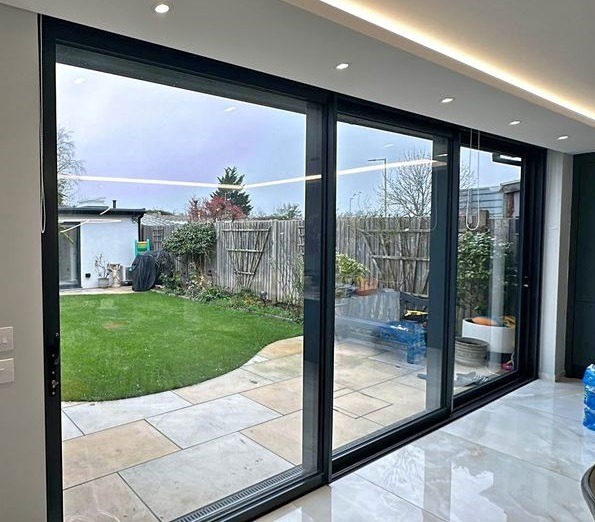
How Long Do Different Sliding Door Materials Last?
Aluminium Sliding Doors
Aluminium sliding doors are one of the longest-lasting types, as the material is highly durable, corrosion-resistant and ideal for humid climates. The average lifespan for aluminium sliding doors is between 25-35 years.
uPVC Sliding Doors
uPVC sliding doors are an affordable choice for many homeowners, but they are prone to warping under heat and long-term UV exposure. uPVC sliding doors typically last between 20-25 years.
Timber Sliding Doors
Timber is aesthetically stunning and is a perfect choice for period homes. While visually great, they require frequent sealing and painting. With proper maintenance, timber sliding doors can last between 15-25 years.
Composite Sliding Doors
Composite sliding doors are made up of several materials, most commonly a timber core, uPVC outer frame and fibreglass outer skin.
Composite doors are generally on the more expensive side, but they provide excellent insulation. Composite sliding doors typically last between 25-30+ years.
How to Make Sliding Doors Last Longer
Cleaning the Tracks & Rollers
Regularly removing dirt, dust and debris from the tracks helps sliding doors move smoothly and prevents unnecessary strain on rollers. Built-up grime can cause resistance, misalignment and long-term wear. Keeping tracks clean reduces friction and helps maintain consistent operation over time.
Lubricating Moving Parts
Lubricating rollers, hinges and locking mechanisms ensure the door continues to open and close smoothly. Without lubrication, parts can become stiff or noisy, increasing wear and reducing the lifespan. Using a suitable lubricant periodically helps reduce friction and supports longer-lasting performance.
Preventing Condensation & Water Damage
Good ventilation and well-maintained seals help reduce moisture build-up around sliding doors. Excess condensation can lead to mould, swelling frames or corrosion on metal parts.
Checking seals regularly and managing indoor humidity helps prevent water-related damage and keeps the door functioning properly.
Checking Seals & Locks Regularly
Routine inspections of seals, handles and locks help identify early signs of wear before they become serious issues.
Damaged seals can lead to drafts and leaks, while faulty locks affect security. Catching small problems early allows for simple repairs instead of costly replacements.
When to Schedule Professional Maintenance
Professional maintenance for sliding doors is recommended for older doors or those used frequently.
If doors become difficult to move, misaligned or drafty, a specialist can adjust rollers, replace worn parts and restore performance. Regular servicing helps increase the lifespan of sliding doors.
Common Problems That Reduce Sliding Door Lifespan
Damaged Rollers & Tracks
Worn rollers or damaged tracks can make sliding doors stiff, noisy or difficult to move. As the operation becomes uneven, extra pressure is placed on other components, which can accelerate further wear.
If left unaddressed, this can lead to misalignment and more serious structural damage over time.
Misalignment Issues
Sliding doors can become misaligned due to building settlement, poor installation or other damaged components. When the frame shifts, the door may stick, drag or fail to close properly. This increases strain on rollers and locks, reducing overall performance and shortening the lifespan of the entire system.
Broken Seals or Draughts
Damaged seals allow cold air, moisture and noise to pass through the door. This reduces energy efficiency and makes it harder to maintain a comfortable indoor temperature.
Over time, draughts can worsen and lead to higher heating costs and wear on surrounding materials.
Corrosion & Frame Damage
Corrosion, warping or general frame deterioration can weaken the structure of sliding doors. Metal components may rust, while timber frames can swell or rot if exposed to moisture.
These issues compromise both functionality and security, often making replacement more practical than repair.
Glass Damage & Condensation
Cracked glass or failed double glazing units reduce insulation and safety. A common sign of failure is condensation forming between panes, indicating a broken seal.
This not only affects visibility but also lowers energy efficiency, as the insulating barrier inside the glass is no longer effective.
Explore Our Range of Sliding Doors
With good maintenance practices, quality materials and professional installation, sliding doors can last up to 30 years or more!
At Green Doors, we have a range of preloved and second-hand sliding doors available to buy. Just because they’ve been used before, doesn’t mean they can’t find a new home and last for decades to come. Plus, our range is far more competitively priced compared to brand-new doors, and we conduct rigorous quality checks to ensure they’re fit for delivery and installation.
For any help finding the ideal sliding doors for your home, please get in touch with us and we’ll be more than happy to assist or explain our services in more detail.
Frequently Asked Questions
How long do sliding doors typically last?
Sliding doors, depending on the material and level of maintenance provided, can last anywhere between 15 and 30 years. Materials like aluminium and composite tend to have the longest lifespan, but uPVC doors still can still last for decades and are more affordable.
How do I know when my sliding doors need replacing?
You’ll likely need to replace your sliding doors if they become misaligned, are difficult to open and close, condensation gets trapped between the glass panes, mould or damp develops around the bottom track, or there are clear signs of grinding, scraping or clicking noises during operation.
Are aluminium sliding doors better than uPVC?
Aluminium sliding doors are popular because they’re durable, long-lasting and resistant to corrosion, as well as suitable for contemporary homes looking for a modern door system. uPVC sliding doors are also popular because they’re more affordable and generally low maintenance. Preference between the two will depend on your budget and desired aesthetic.
Can sliding doors be repaired instead of replaced?
Many common problems with sliding doors can be repaired if spotted sooner rather than later. Problems such as stiff or worn rollers, dirt or debris in the track, minor misalignment, faulty locks or damaged handles are often fixable with cleaning, adjustment or replacement parts. Full replacement is usually only needed when the frame is warped, the glass is cracked or the door system is extensively worn or structurally compromised.
How often should sliding doors be maintained?
Sliding doors should typically be maintained at least once or twice a year to keep them operating properly. Regular upkeep includes cleaning the tracks monthly to remove dirt and debris, checking rollers for wear and lubricating moving parts as needed.
Do sliding doors add value to a home?
Sliding doors can add value to a home by improving natural light and enhancing the overall aesthetic of a home. Modern buyers often appreciate open, airy layouts, and energy-efficient sliding doors can improve insulation and reduce utility costs.
Are preloved sliding doors a good investment?
Preloved sliding doors can be a cost-effective investment if they are in good condition and correctly sized for your space. They can offer significant savings compared to new installations, especially for high-quality frames or premium materials. All preloved doors at Green Doors are quality checked and given a quality standard score.