
Front Doors Advice
How to Adjust a Front Door: The Ultimate Guide
Your front door is used multiple times a day – it keeps your home secure, keeps out the cold and welcomes visitors. Because of how much it’s used, it’s natural for it to show signs of wear over time. Sticking, dragging and gaps in the seal are common signs that your door may need a tweak.
Luckily, we have all the advice you need for how to adjust a front door in a few simple steps to get it opening and closing smoothly again.
What Is a Front Door?
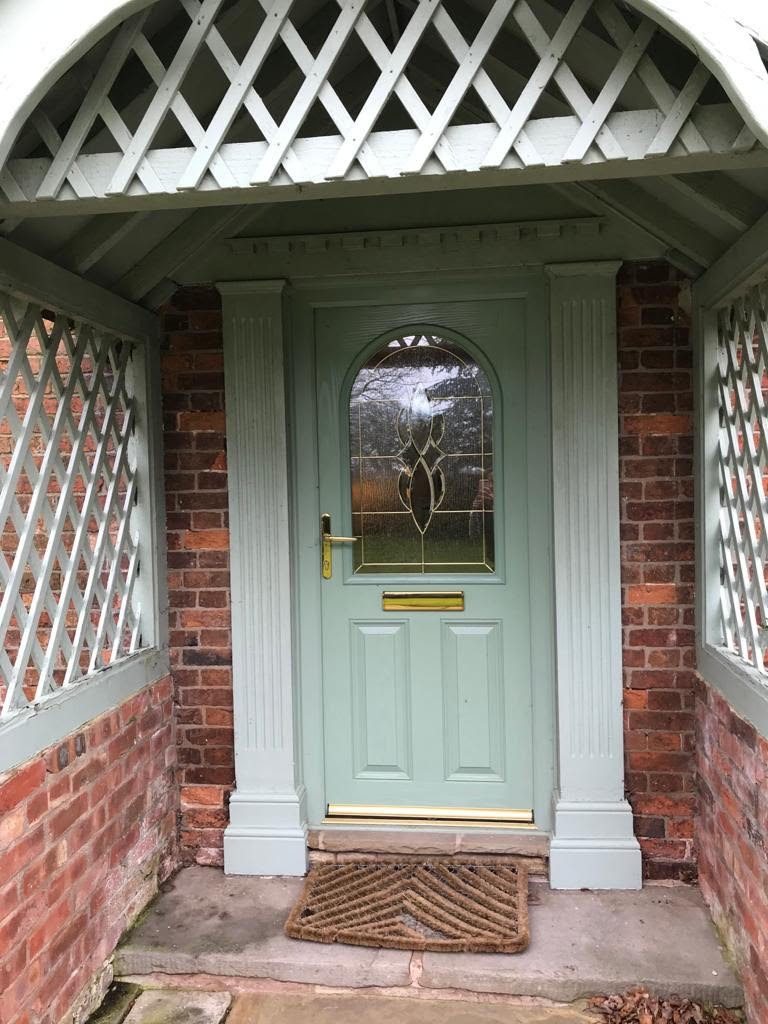
A front door is the main entrance to a house and is used by both residents and visitors. It’s in public view and usually located at the front of a house or commercial property.
3 Signs Your Front Door Needs Adjusting
Just like anything that’s used every day, front doors can loosen or get less secure over time. But how do you know when it’s time to make an adjustment? Here are the key signs and tips for how to adjust a front door.
1. Sticking or Scraping Against the Frame
If your door drags along the floor or rubs against the frame, that’s usually a telltale sign that the hinges need tightening or aligning.
2. Visible Gaps Letting in Light or Air
If your rooms are feeling more draughty than usual, it could be due to gaps in your front door. If you notice your front door isn’t sealing properly, it may be letting the cold air in, which can lead to higher energy bills.
3. Lock Not Aligning Properly
If your key isn’t turning properly, or you need to lift the door to get it to lock, the strike plate or hinges may be out of line. Just be sure to check that this isn’t a locking mechanism that does actually operate in this manner.
Tools You’ll Need Before You Start Adjusting a Front Door
Before you get to work, make sure you’ve got the right tools for the job. You’ll need a screwdriver, Allen keys, a spirit level and some elbow grease. Having this equipment to hand will make adjusting your front door much easier.
Disclaimer: If your front door is a specialist type of door, we always recommend working with an installation specialist.
How to Adjust a Front Door: 5 Steps
Once you’ve worked out what the problem is, here’s how to adjust a front door in 5 simple steps:
1. Check the Hinges
The root of the problem can usually be caused by loose screws. To fix, make sure you tighten each one and if you find out they’re worn, we recommend replacing them.
2. Adjust the Hinges
Most modern doors have adjustment screws. To adjust the hinges, simply use an Allen key to move the hinges slightly, raising or lowering the door until it sits more evenly in the frame.
If your door is not straight, and somebody closes it, you run the risk of it getting blocked into the frame. This depends on the mechanism of the door and frame. We always recommend that the frame is square first, making the door as square as possible afterwards.
3. Realign the Strike Plate
If your lock isn’t catching properly, you may need to adjust the strike plate on the frame. A few small tweaks with a screwdriver can make the locking mechanism smoother again.
4. Weatherstripping Adjustments
If the area around your door is feeling draughty, check the seals for any gaps. You may need to reposition the weatherstripping to improve insulation, or change them for better isolation.
5. Final Checks
To see whether your adjustments have worked, try opening and closing the door a few times to check the movement. It should swing smoothly, latch securely and keep the cold air out.
How to Adjust a Composite Door That Has Dropped
Composite doors are reliable but can sometimes sag due to their weight. If yours has dropped, start by tightening the hinge screws; most composite doors have built-in hinge adjustment points you can tweak with an Allen key. Small adjustments are usually enough to bring the door back into alignment, helping it to open and close more securely.
Common Issues and How to Fix Them
Even after adjusting your front door, you may run into a few more problems. Here’s how to fix them.
Door Sagging on One Side
If your door is sagging on one side, take a look at the hinges on both the door and frame. Tighten all the screws with a screwdriver or replace damaged screws with longer screws to ensure a secure attachment of the hinge to the door frame.
If this doesn’t work, the frame may be cracked or split, or the floor might even be uneven, creating stress points which cause the door to sag over time.
Draughts Coming Through
To protect against draughts, reposition or replace weatherstripping to create a tighter seal. Make sure the new strip is the right size and is securely attached, either with a self-adhesive or nails/screws if needed.
Door Catching at the Bottom
If your door is catching at the bottom, it’s probably due to loose screws that are causing the door to sag. Use a screwdriver to tighten all the screws on both sides of the hinges – if they don’t tighten, they may need replacing.
Explore Our Front Doors
If you’ve tried adjusting your door but nothing seems to work, it may be time to get a professional fitter to repair or upgrade them. At Green Doors, we offer high-quality new and pre-loved doors at affordable prices, from modern French doors to sleek sliding doors and windows. Get in touch with our friendly team for expert advice on choosing the right front door for your home.
How to Adjust a Front Door: FAQs
How often should I adjust my front door?
It depends on the level of use. Most doors will only need adjusting every few years, but every case is different. If you notice your door sticking or dragging, it’s probably a sign that it needs adjusting.
Do I need a professional to adjust a door?
You may be able to adjust your door yourself, as long as you have a screwdriver or Allen key to hand. If the problem persists and isn’t fixed, you may need to call in a professional to get to the root of the problem.
Can I adjust a uPVC front door the same way as a wooden one?
uPVC doors may have more modern locking mechanisms like multipoint locks and adjustment hinges, so adjusting these doors is more about the hinge and lock adjustments. Wooden doors are more likely to experience warping and rotting and may need adjustments to cope with natural swelling and shrinking.
What if my front door still won’t close properly after adjusting?
If you’ve tried adjusting the hinge and realigning the strike plate with no luck, the issue may be structural. In this case, it’s best to contact a professional, or you may have to replace the door completely.