
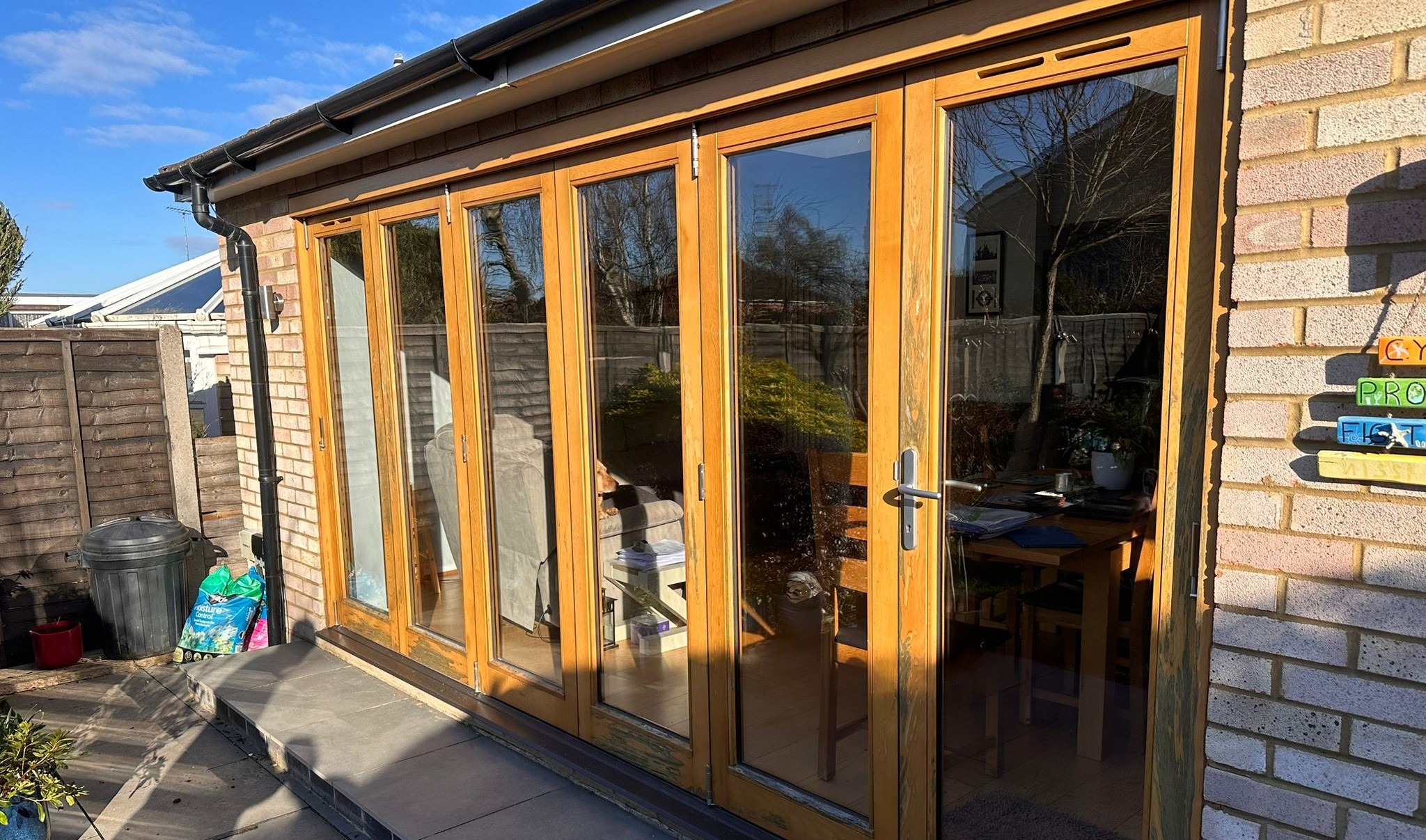
Bi-fold Doors Advice
Do You Need Planning Permission for Bi-Folding Doors?
If you are considering bi-fold doors for your property, whether as part of an extension or to replace an existing doorway, you may be wondering ‘do you need planning permission for bi-folding doors?’. You’ll be glad to know that, in the majority of cases, planning permission isn’t a requirement.
However, there are a few cases where planning permission is applicable. We’ve covered them in more detail for you below.
What Are Bi-Fold Doors?
Bi-fold doors are constructed from multiple glazed door panels that are connected through hinges on a slide-along tracking system. The main appeal of these panels is the way they stack into one another when opened, creating a wide-open space that provides easy and convenient access to outdoor space.
Do I Need Planning Permission for Bi-Fold Doors?
In the vast majority of cases, no, you won’t need bi-fold door planning permission to install these visually distinctive doors into your property. However, there are some cases where planning permission is a requirement. For example, for listed buildings, in flats or where the installation would cause structural alterations as part of a larger project. We cover these in more detail below.
When Planning Permission May Be Required
Listed Buildings
Listed buildings often need a specific type of planning permission called ‘Listed Building Consent’. This requires permission from the local planning authority, which is likely your local council or borough’s planning department.
Alterations or replacements to doors and windows that affect the character of a listed building will usually require Listed Building Consent.
Conservation Areas
Similarly to listed buildings, conservation areas refer to zones that are designated by a local planning authority due to their architectural or historical interest. This restricts the changes that can be made to the exterior of the property, including doors and windows. Seeking permission may be required in some cases if you are in a conservation area.
Flats and Maisonettes
Flats and maisonettes often have restrictions on development rights because external changes affect the entirety of the building and may also affect other residents. Communal areas and shared structures are also a consideration, which means permitted development rights are not applied to the majority of these properties.
Large Extensions or Structural Alterations
If you are planning a large extension with bi-fold doors or you are making structural changes to install them, you are more likely to need planning permission. Large extensions in general need planning permission to proceed, and the same applies to changes to the structure of your property.
Building Regulations for Bi-Fold Doors
Bi-fold doors must comply with the Building Regulations 2010. The following Approved Documents are relevant to door installation:
- Part A – Structure: If the installation involves creating or enlarging an opening, the structural integrity of the building must be maintained.
- Part F – Ventilation: If existing windows or doors providing background ventilation are replaced, adequate ventilation must be maintained.
- Part K – Protection from Falling, Collision and Impact: Safety glazing is required in critical locations, including glazed doors and adjacent side panels, to reduce the risk of injury.
- Part L – Conservation of Fuel and Power: Replacement doors must meet minimum energy efficiency standards, including maximum U-values to reduce heat loss.
- Part M – Access to and Use of Buildings: The door should not reduce reasonable access to or through the doorway.
Other Things to Consider Before Installing Bi-Fold Doors
Party Wall Agreements
If you have a shared wall or boundary with another property, this should be considered when installing your doors. ‘Party walls’ refer to walls that stand on the boundary between two properties and are shared by both owners.
Structural Support
Structural supports, such as lintels or steel beams, are an essential consideration when enlarging an opening for bi-fold doors. Structural stability is vitally important to protect your property and to prevent injury due to structural failure.
Choosing the Right Installer
Choosing an experienced and reliable installer is the best way to ensure your installation is safe and compliant with UK Building Regulations. Beyond your legal requirements, a professional installer will also ensure the finish is to a high standard and the installation is completed safely.
How to Check if You Need Planning Permission
If you think planning permission may apply to you, the first thing you should do is check your permitted development rights. You can also review guidance from your local authority. Seeking professional advice before starting work can help to provide peace of mind that you’re doing everything right.
Explore Our Range of Bi-fold Doors
Green Doors stocks a wide range of brand-new and preloved bi-fold doors, available in a range of styles and sizes to suit your personal taste and requirements. We take quality seriously, thoroughly inspecting all of our products to ensure they are suitable for sale while significantly reducing the number of doors going to landfill.
Shop our range online, or get in touch with our expert team to get advice on the right door for you.
Frequently Asked Questions
Do I need planning permission to replace patio doors with bi-fold doors?
In most cases, no. Replacing existing patio doors with bi-fold doors is usually covered by permitted development rights, provided your property is not subject to additional planning restrictions.
Do bi-fold doors need Building Regulations approval?
Bi-fold doors must comply with Building Regulations, particularly where structural alterations are involved. If you are creating a new opening or enlarging an existing one, approval may be required to ensure the installation meets current structural, energy efficiency and safety standards.
Can I install bi-fold doors in a listed building?
Yes, but you will usually need Listed Building Consent before carrying out work that affects the building’s character. As requirements vary between properties, it’s best to check with your local planning authority before replacing existing doors or creating a new opening.
Can I fit bi-fold doors myself?
While it is possible, installing bi-fold doors requires precise fitting to ensure they operate correctly and comply with Building Regulations where applicable. Using an experienced installer can help avoid issues with alignment, weatherproofing and structural support.
Do bi-fold doors add value to a property?
Bi-fold doors can add value by creating a brighter, more open living space and improving access to outdoor areas. While they do not guarantee an increase in property value, they are a popular feature that may make a home more attractive to prospective buyers.
Where can I buy quality bi-fold doors?
Quality bi-fold doors are available from specialist suppliers, builders’ merchants and manufacturers. Green Doors offers a wide selection of brand-new and preloved bi-fold doors, with every product thoroughly inspected before sale to ensure quality and reliability.